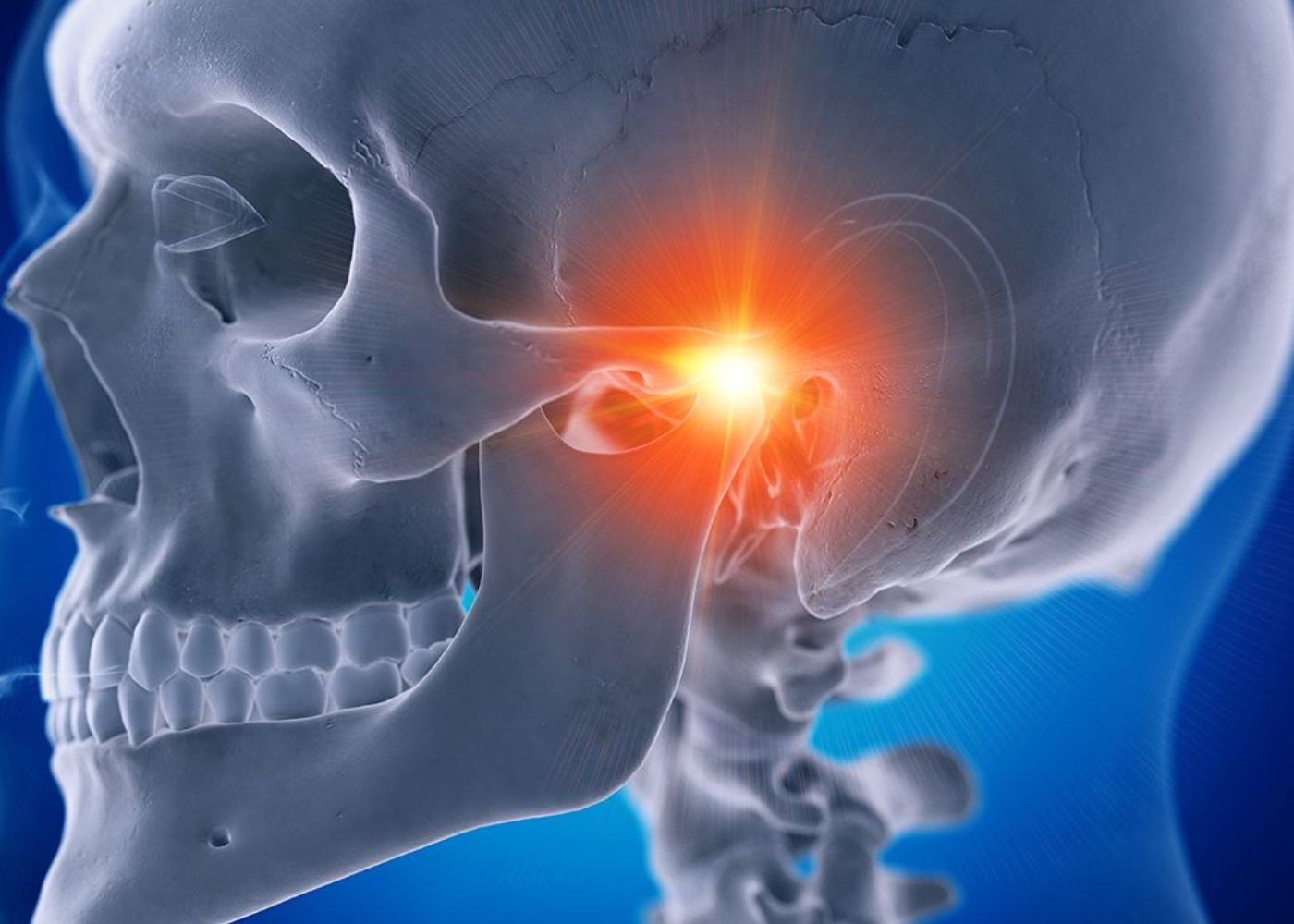
Find lasting relief from jaw pain and discomfort with expert TMJ surgery in Bangalore. The temporomandibular joint (TMJ) plays a crucial role in speaking, chewing, and everyday jaw movements. When affected, it can lead to pain, stiffness, clicking sounds, headaches, and difficulty opening or closing the mouth.
Our specialists use advanced diagnostic tools and modern surgical techniques to treat TMJ disorders effectively. The focus is on reducing pain, restoring normal jaw function, and improving overall quality of life.
TMJ surgery is a specialized procedure performed to treat severe temporomandibular joint disorders that affect jaw movement and cause chronic pain. The temporomandibular joint connects your jaw to the skull and plays a key role in everyday functions like speaking, chewing, and yawning.
When non-surgical treatments such as medication, physiotherapy, or splints do not provide relief, TMJ surgery may be recommended. The procedure focuses on correcting joint damage, improving alignment, and restoring smooth, pain-free jaw function using advanced and minimally invasive techniques.

Our specialists offer advanced TMJ surgery techniques in Bangalore to effectively treat jaw disorders, relieve pain, and restore smooth jaw function based on the severity of your condition.
If you are considering TMJ surgery in Bangalore, you may be an ideal candidate if you experience persistent jaw-related issues that do not improve with non-surgical treatments. This procedure is suitable for individuals who:
✔ Have chronic jaw pain, stiffness, or tenderness
✔ Experience difficulty in opening or closing the mouth
✔ Notice clicking, popping, or locking of the jaw
✔ Have jaw misalignment affecting bite and function
✔ Suffer from headaches, ear pain, or facial discomfort linked to TMJ
✔ Are in good overall health with realistic expectations
At our clinic in Bangalore, we conduct a detailed evaluation to determine the severity of your condition and recommend the most effective treatment approach.
✔ Provides long-term relief from jaw pain and discomfort
✔ Restores smooth and natural jaw movement
✔ Improves ability to eat, speak, and perform daily activities
✔ Reduces jaw clicking, locking, and stiffness
✔ Enhances overall quality of life and comfort
Before the procedure, a comprehensive assessment including imaging and jaw evaluation is performed. Patients may be advised to:
✔ Follow dietary or medication guidelines before surgery
✔ Inform the doctor about medical history and ongoing treatments
✔ Avoid certain medications as recommended
✔ Prepare for post-surgery rest and recovery
TMJ surgery is performed using advanced techniques depending on the severity of the condition. The procedure focuses on correcting joint issues and restoring function.
✔ Performed under local or general anesthesia for comfort
✔ Minimally invasive or open surgery based on condition
✔ Focus on precision, safety, and effective pain relief
✔ Typically completed within a few hours
Recovery varies depending on the type of procedure but is generally manageable with proper care.
✔ Mild swelling or discomfort may occur temporarily
✔ Soft diet is recommended during initial healing phase
✔ Jaw exercises or physiotherapy may be advised
✔ Gradual improvement in jaw movement and pain relief
TMJ surgery is generally safe when performed by experienced specialists, but like any procedure, it may involve:
✔ Temporary swelling, stiffness, or discomfort
✔ Limited jaw movement during early recovery
✔ Rare risk of infection or nerve sensitivity
✔ Recovery time varies based on procedure type
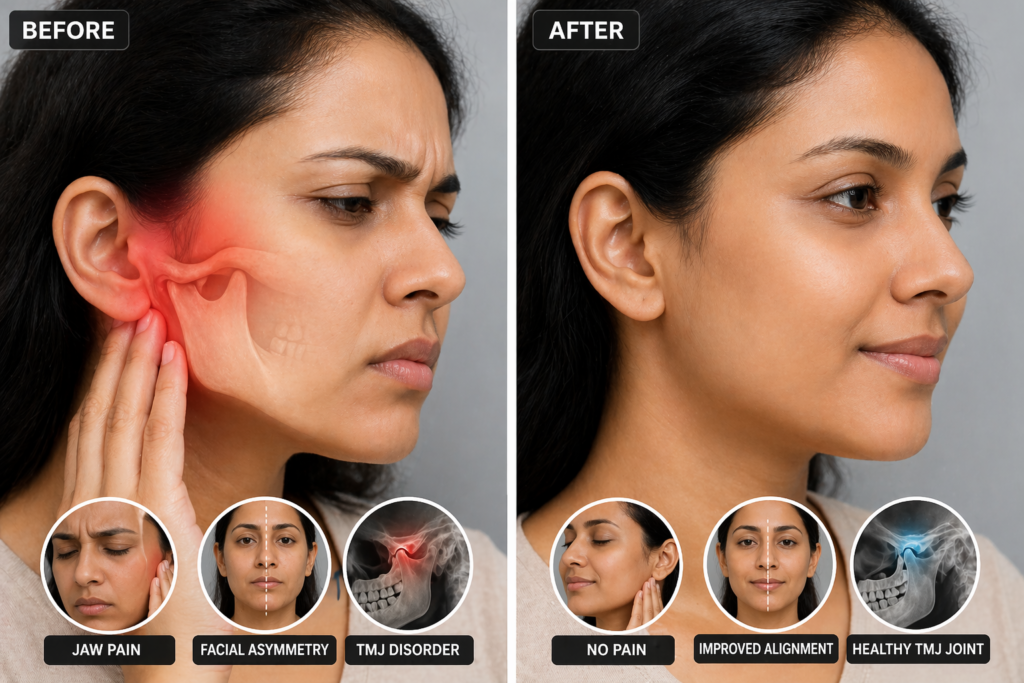
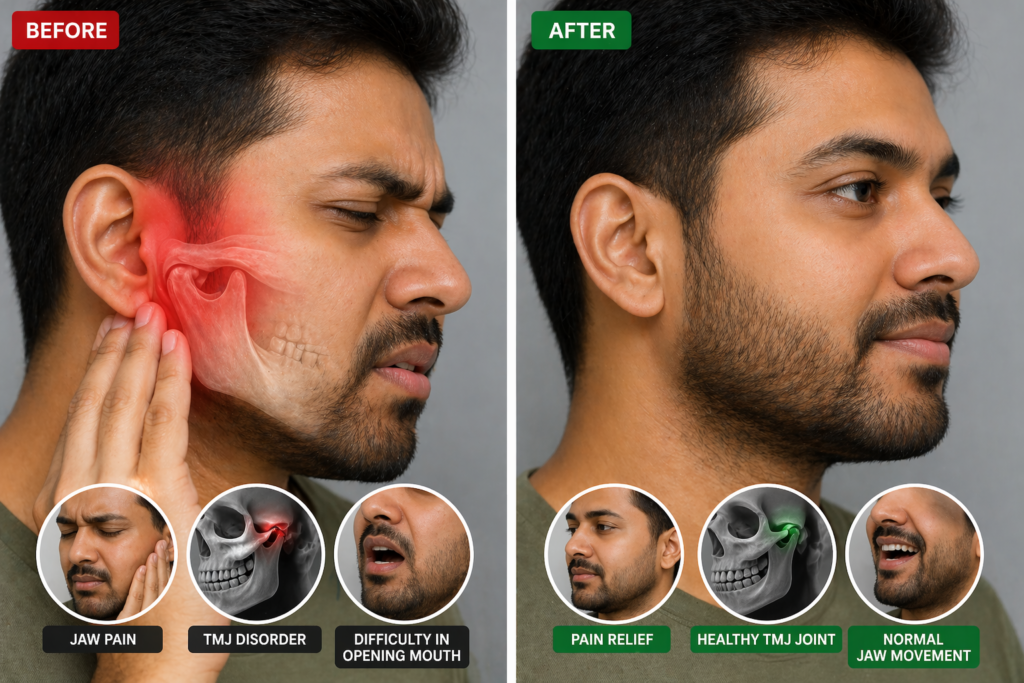
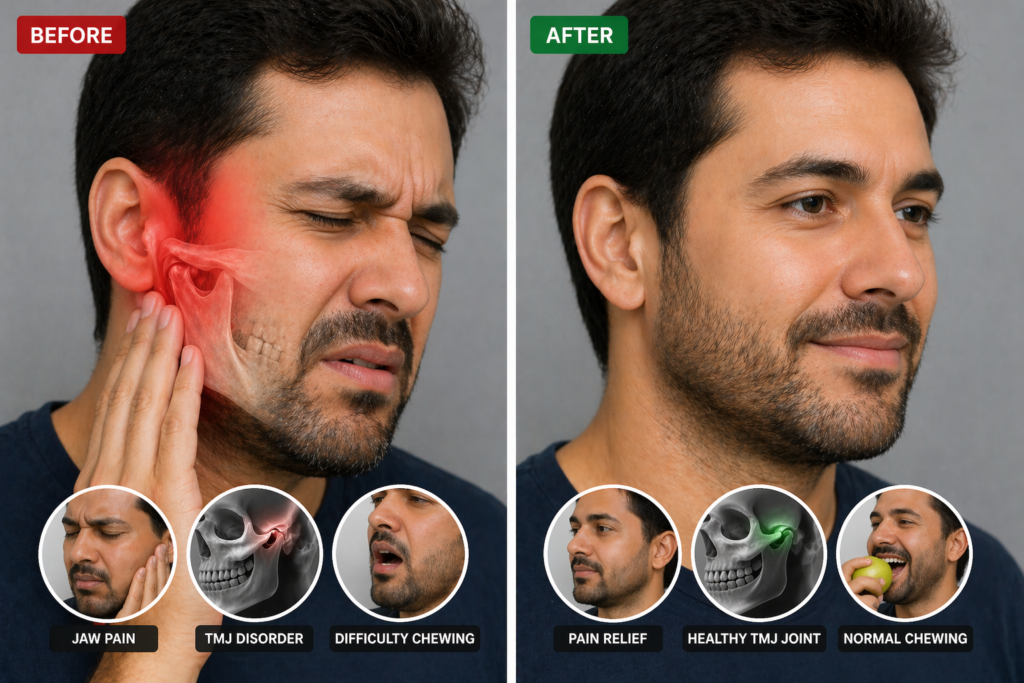
Real experiences from patients who trusted us for their TMJ treatment journey. Their relief from chronic pain, improved jaw function, and renewed comfort reflect our commitment to delivering effective, life-enhancing results.
Explore real patient transformations that highlight the effectiveness of our TMJ surgery procedures. Each treatment is focused on relieving chronic jaw pain, restoring smooth jaw movement, and improving overall function and comfort.
Contact our expert surgeons for a personalised consultation and take the first step towards your dream look.
TMJ surgery is generally safe when performed by an experienced specialist using modern techniques. Advanced procedures such as arthroscopy and minimally invasive approaches help reduce risks and improve precision. Like any surgery, there may be minor side effects such as swelling, stiffness, or temporary discomfort, but these are usually manageable and short-lived. Proper diagnosis, surgical expertise, and post-operative care play a key role in ensuring a safe and successful outcome.
Recovery time varies depending on the type of procedure performed. Minimally invasive treatments may allow patients to resume normal activities within a few days, while more complex surgeries may require a few weeks for full recovery. Most patients notice gradual improvement in pain and jaw function during the healing phase. Following post-surgery care and physiotherapy recommendations helps speed up recovery.
In most cases, minimally invasive TMJ procedures such as arthroscopy involve very small incisions, resulting in little to no visible scarring. For open joint surgery, incisions are carefully placed in less noticeable areas to minimize visible marks. Over time, any minor scars tend to fade significantly.
TMJ surgery is typically recommended for adults whose jaw growth is complete and who experience persistent TMJ issues that do not respond to non-surgical treatments. However, eligibility depends more on the severity of the condition rather than age alone. A detailed evaluation helps determine the right timing for the procedure.
TMJ surgery can provide long-term relief from pain and significantly improve jaw function, especially in severe or chronic cases. While results are often long-lasting, maintaining proper jaw care, avoiding excessive strain, and following medical advice are important to prevent recurrence.
Choosing the right surgeon is crucial for successful results. Look for a specialist with experience in TMJ disorders, advanced surgical training, and a strong track record of successful outcomes. A well-equipped clinic, proper diagnostic facilities, and clear communication about treatment options are also important factors to consider.
The procedure itself is not painful, as it is performed under anesthesia. After surgery, mild to moderate discomfort may occur, but this is manageable with prescribed medications. Most patients find the post-surgical discomfort far less severe than the chronic pain they experienced before treatment.
Some improvement in pain and jaw movement may be noticed within a few days, especially after minimally invasive procedures. However, full results develop gradually over a few weeks as healing progresses and jaw function improves.
In many cases, TMJ disorders can be managed with non-surgical treatments such as medications, splints, physiotherapy, and lifestyle changes. Surgery is usually recommended only when these methods do not provide sufficient relief or when structural issues require correction.